Round vs Square Straw Baler: Key Differences and Choosing the Right Machine
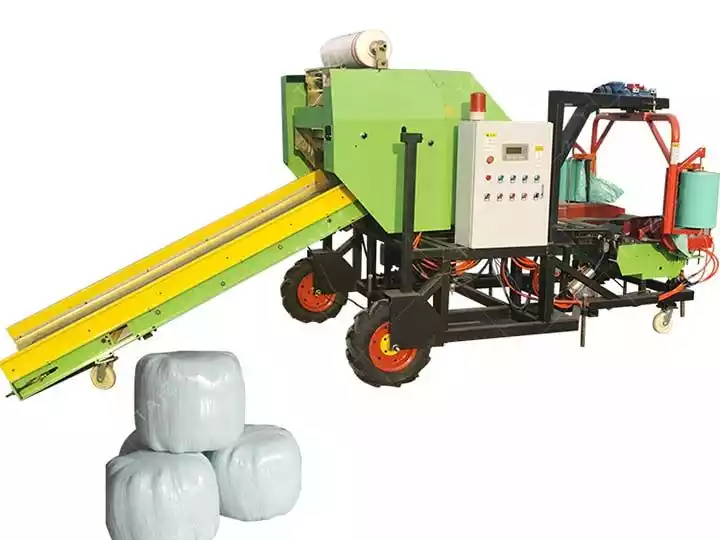
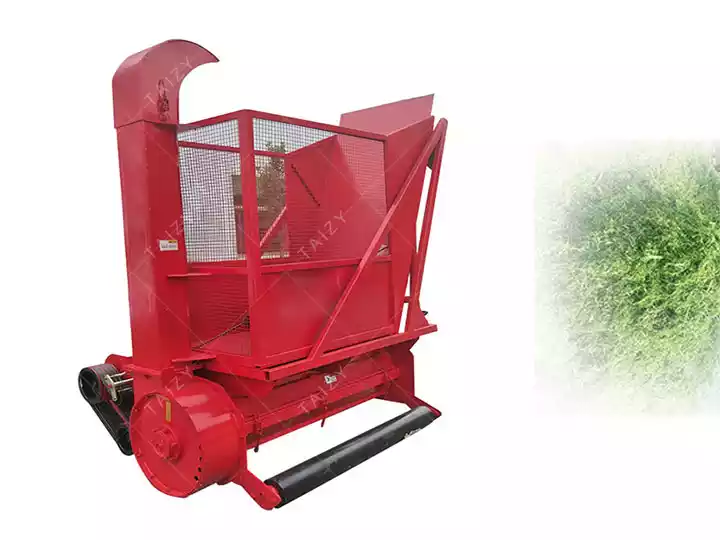
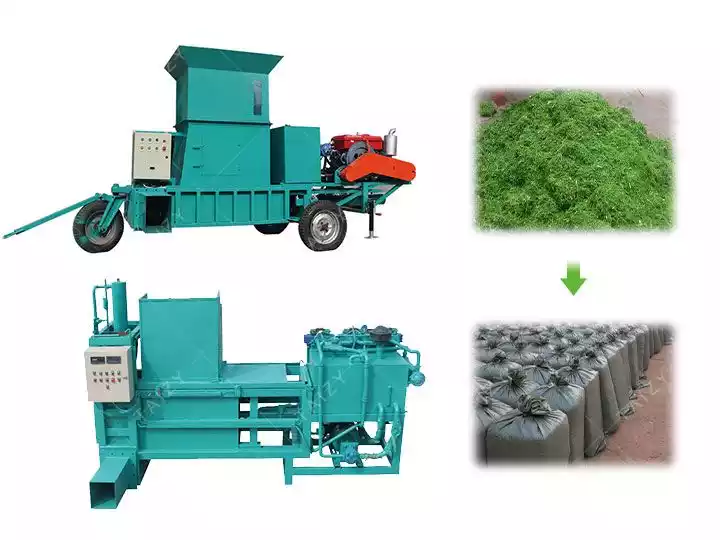
Silage straw balers are essential equipment for modern ranches and farms, designed for efficient collection, baling, and storage of straw and other forage crops. Based on bale shape, they are primarily categorized into round balers and square balers, each with distinct features and suitable applications.
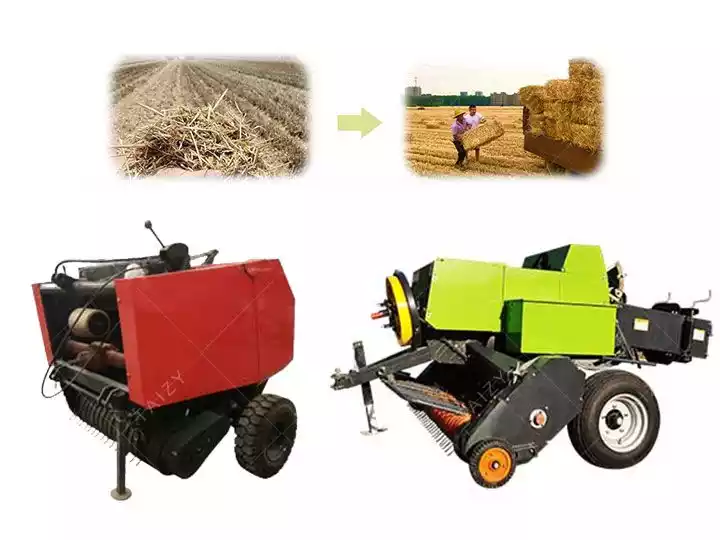
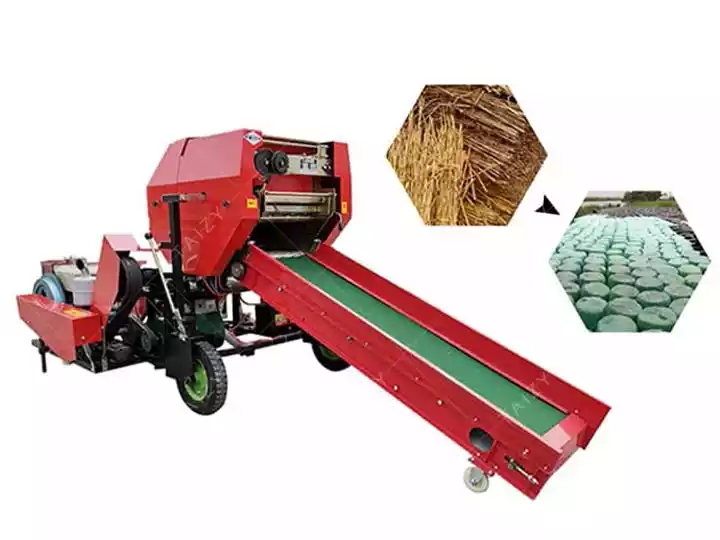
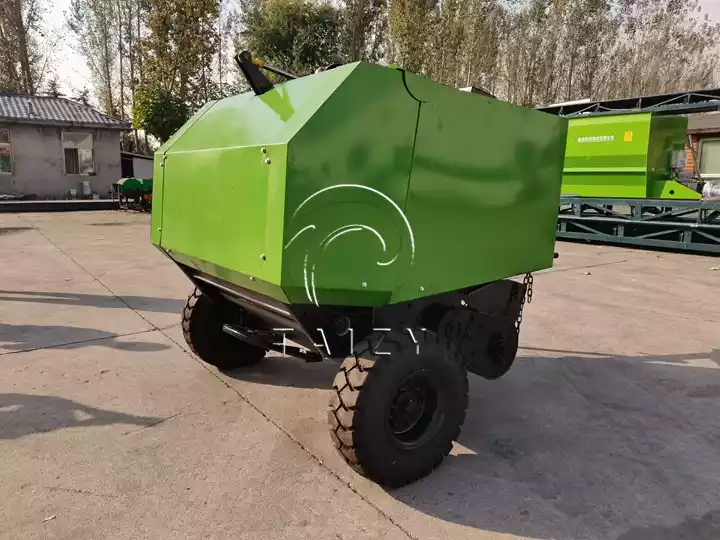
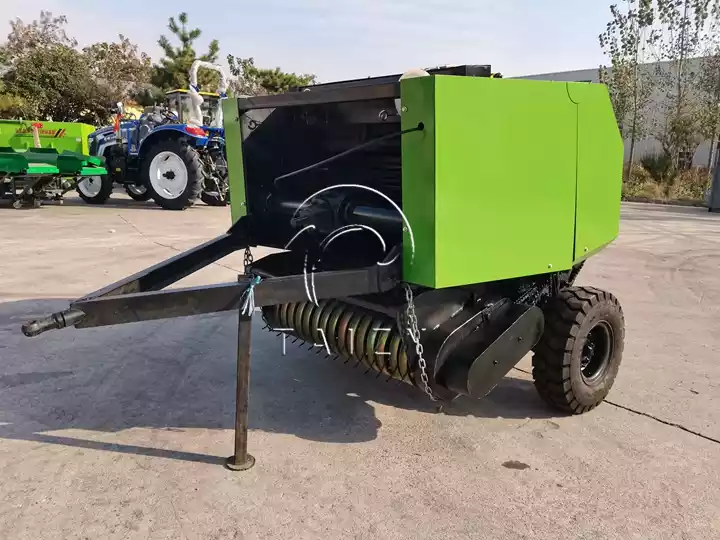
Round silage straw balers
Round balers typically produce single bales with diameters of 1.2–1.5 meters, offering large volume and uniform density.
- Advantages: ideal for large-area operations, reducing the number of baling passes. Round bales can be stacked directly or used for feeding—relatively simple machine operation with low maintenance costs.
- Production reference: averages 40–60 bales per hour, meeting large-scale feed collection demands.
- Suitable crops: corn stalks, alfalfa, hay, and other fibrous feed crops.
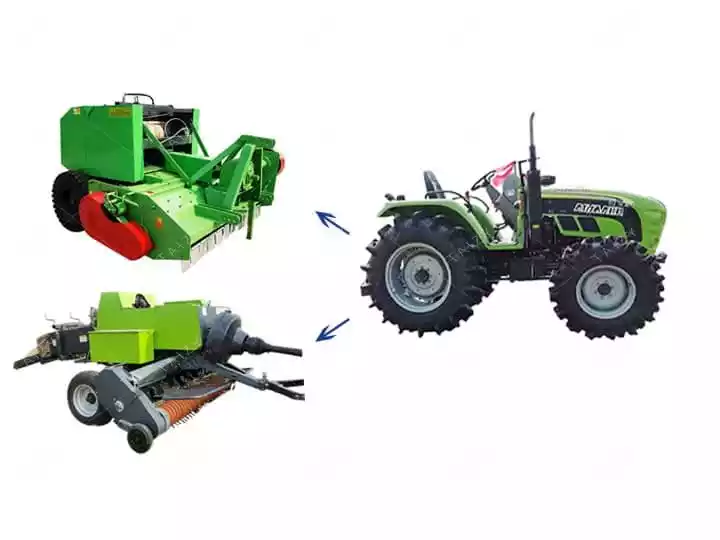
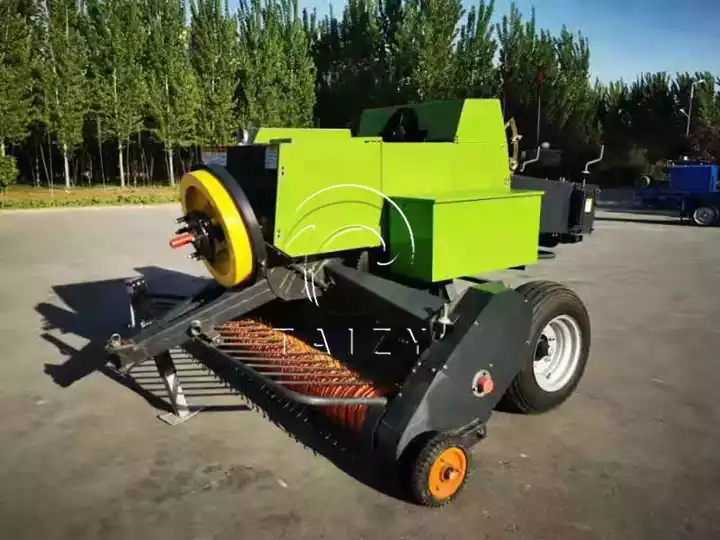
Square straw pick-up balers
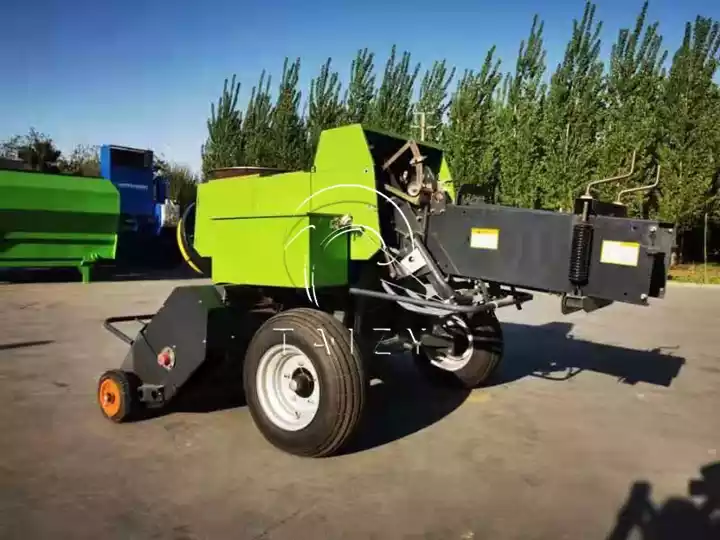
Square balers produce uniformly shaped bales that stack and transport easily.
- Advantages: facilitates storage and loading/unloading, occupies less space. Stable bale shape suits long-distance transport and sales.
- Production reference: 30–50 bales per hour, suitable for medium to large-scale farms.
- Suitable crops: hay, alfalfa, straw, and feed materials requiring neat packaging.
Selection recommendations
- For large pastures prioritizing rapid collection and on-site feeding, silage straw round balers are the preferred choice.
- For transportation or storage requirementswhere uniform bale shape and space efficiency are desired, square picking-up baler machines are more suitable.
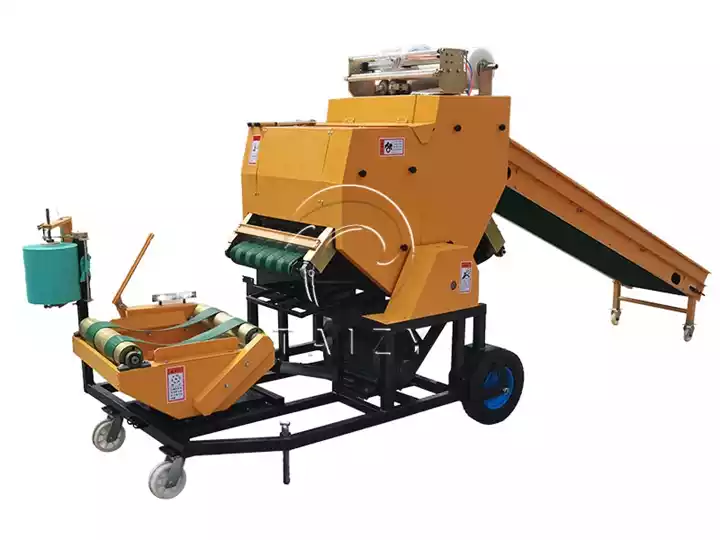
- For diverse needs, some modern balers offer round-to-square conversion capabilities, enhancing flexibility.
By selecting the appropriate silage straw pick-up baler type, farms can significantly improve feed collection efficiency, reduce labor costs, and ensure feed quality and storage convenience.