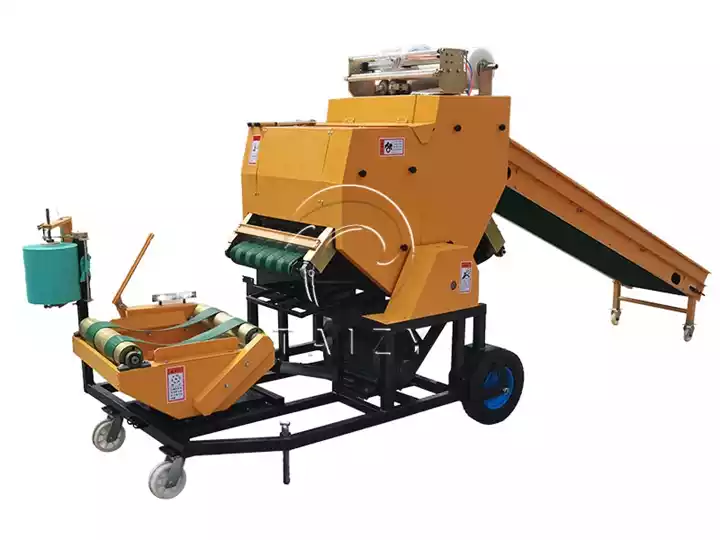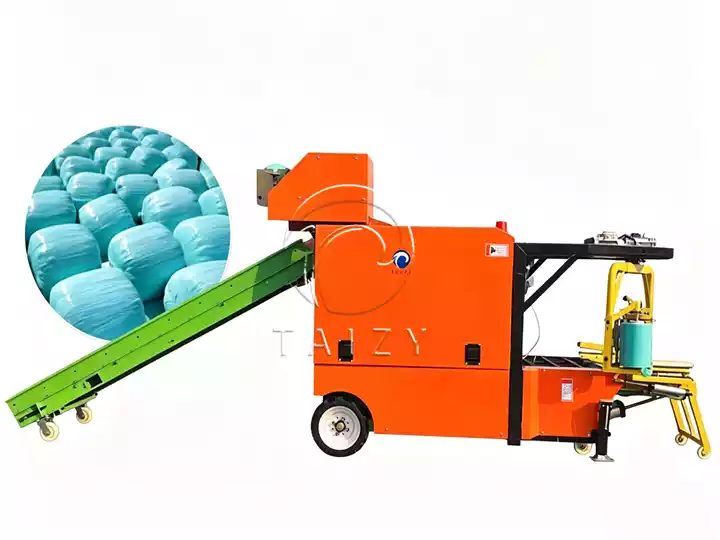
Diesel vs Electric: Choose the Right Forage Feed Mixer Spreader for Your Farm
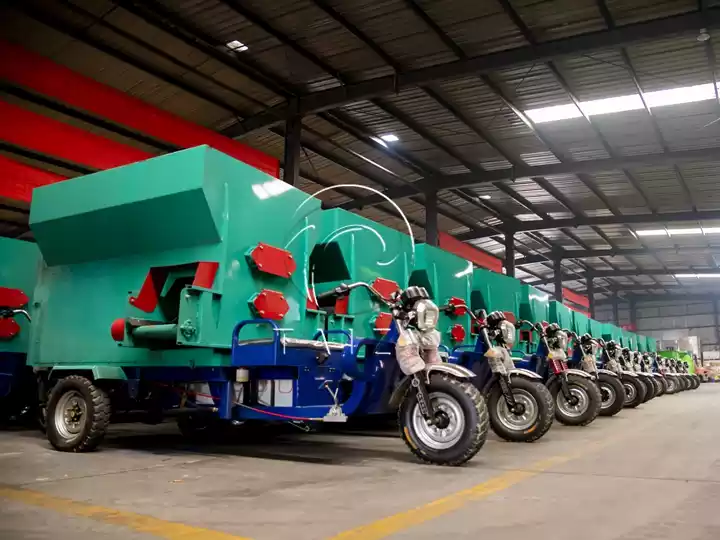
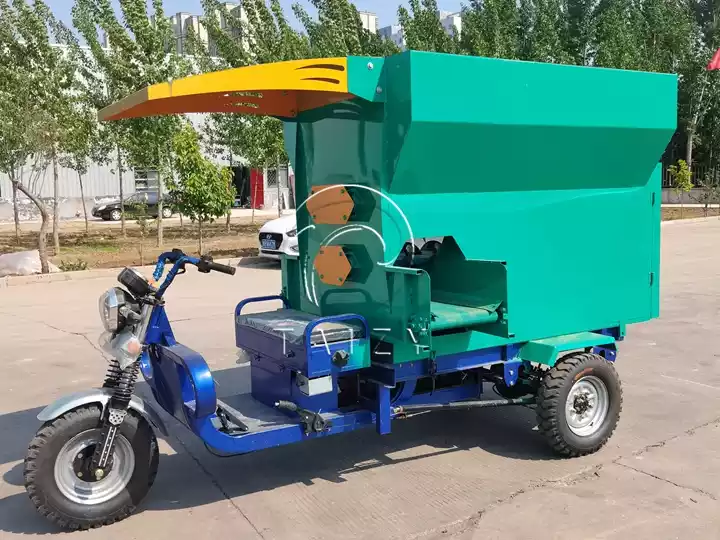
A high-performance forage feed mixer spreader is an indispensable piece of silage processing equipment for modern cattle farms. Whether for small-scale family farms or medium-sized breeding bases, selecting a suitable forage mixing spreader directly impacts feeding efficiency, forage utilization rate, and overall farm operating costs.
Both diesel-powered and electric models dominate the market, each with unique advantages to fit different farm operation scenarios.
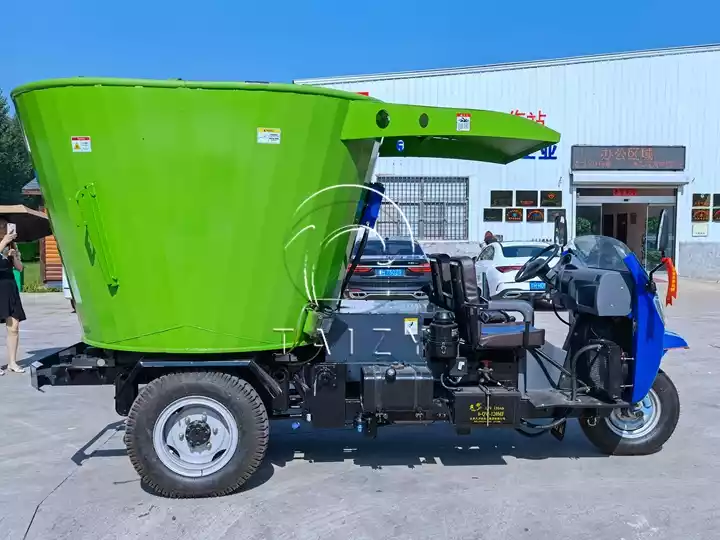
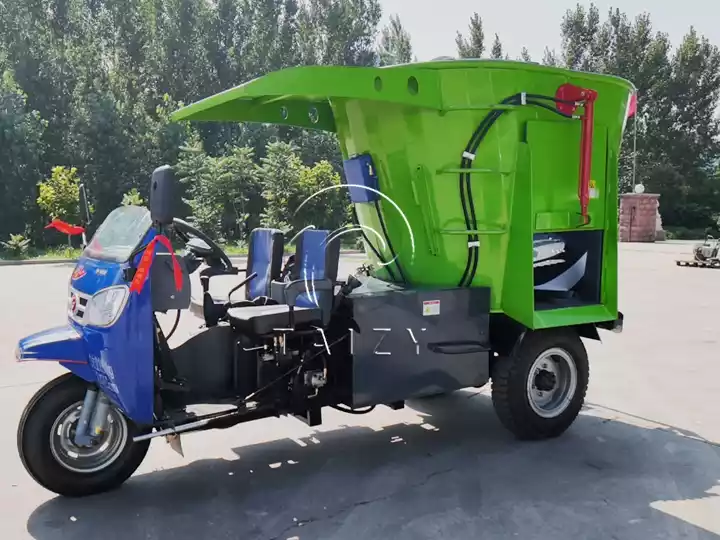
Diesel forage mixing spreader for large farm operations
The diesel-powered forage feed mixer spreader is widely favored for its powerful performance and flexible mobility.
- It requires no fixed power supply, allowing free movement in pastures and remote feeding areas.
- This high-efficiency forage mixing spreader delivers stable mixing and uniform spreading performance, even in complex field environments.
- For large farms with daily large-volume silage feeding demands, diesel models avoid power line restrictions and support long-hour continuous work.
- Its durable mechanical structure ensures long-term reliability in harsh outdoor conditions, effectively improving overall silage processing efficiency and reducing manual labor investment.
Electric silage feed mixing spreader for small farms
The electric forage feed mixer spreader for small farms is a practical and energy-saving option for small-scale breeding scenarios.
- It features low operating noise, zero exhaust emissions, and lower daily operation costs compared with diesel models.
- With precise electronic control, it achieves more uniform spreading, effectively reducing silage waste.
- This low-waste forage mixing spreader is easy to operate and maintain, perfectly matching the daily feeding frequency of small and medium-sized cattle farms.
- Its intelligent control system simplifies feeding management, helping farmers complete silage mixing and spreading work efficiently with minimal manpower.
Tips to choose a qualified forage feed mixer spreader
Farmers should make choices based on farm scale, operating environment, and budget.
- For outdoor, large-area, and mobile feeding work, choose a diesel-powered forage mixing spreader for stronger adaptability.
- For fixed indoor feeding and small farms and eco-friendly breeding, the electric model is more cost-effective.
In short, both multi-functional forage mixing spreader models can optimize silage feeding work. Matching the right type to your farm’s needs is the key to cutting costs and boosting breeding benefits.