Silage Green Harvester | Forage Cutting Machine
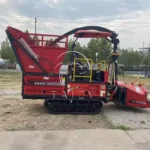
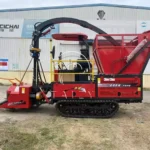
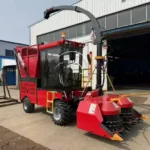
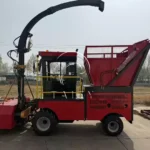
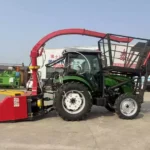
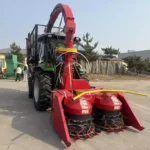
| Machine Type | Wheeled, crawler, and mounted silage harvesters |
| Main Function | Cutting, chopping, conveying, and loading |
| Cutting Length | 5–20 mm adjustable |
| Working Capacity | 0.3–1.0 ha/h |
| Suitable Crops | Corn silage, forage grass, sorghum, and straw |
| Başvuru | Farms, ranches, and agricultural cooperatives |
Artık proje yöneticilerimizden teknik detayları isteyebilirsiniz.
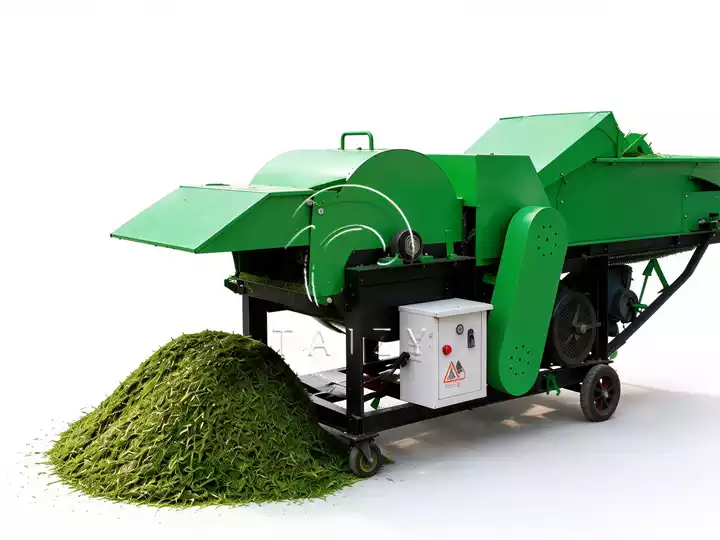
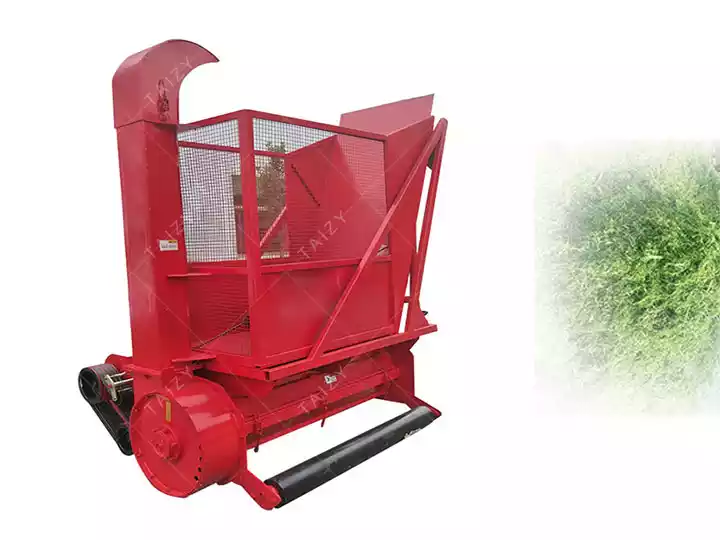
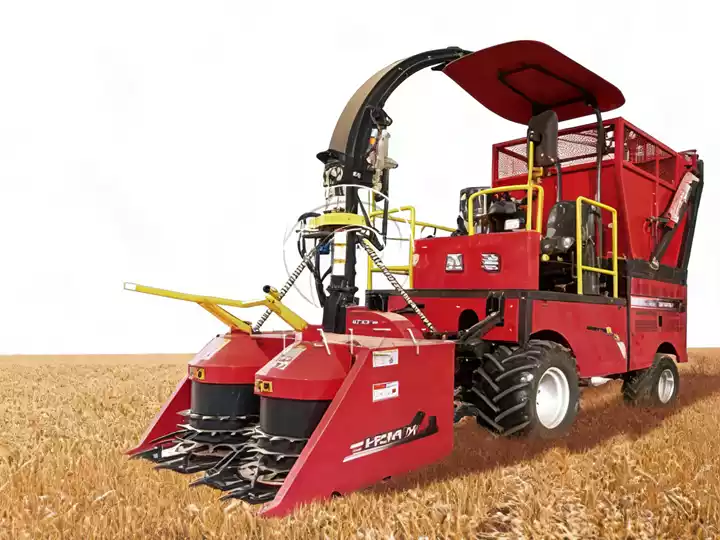
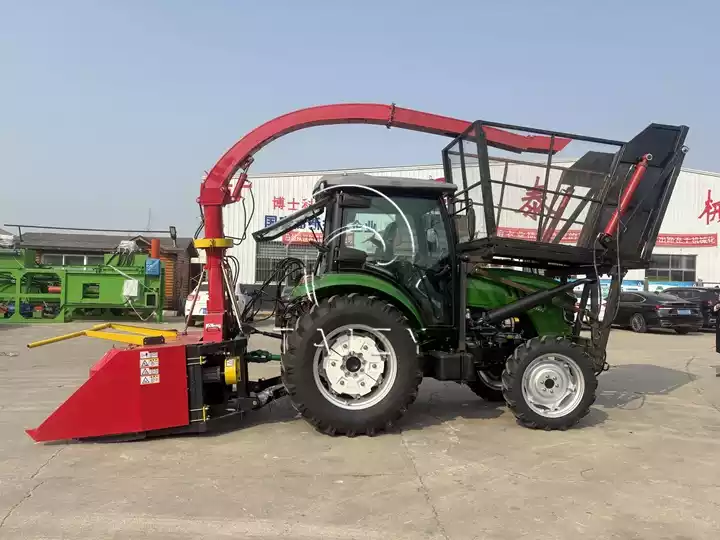
The silage green harvester is a modern agricultural machine that integrates crop harvesting, straw chopping, conveying, and unloading into a single unit. It can complete the entire process—from field harvesting to transportation and loading—in a single pass, significantly reducing labor requirements and improving silage production efficiency.
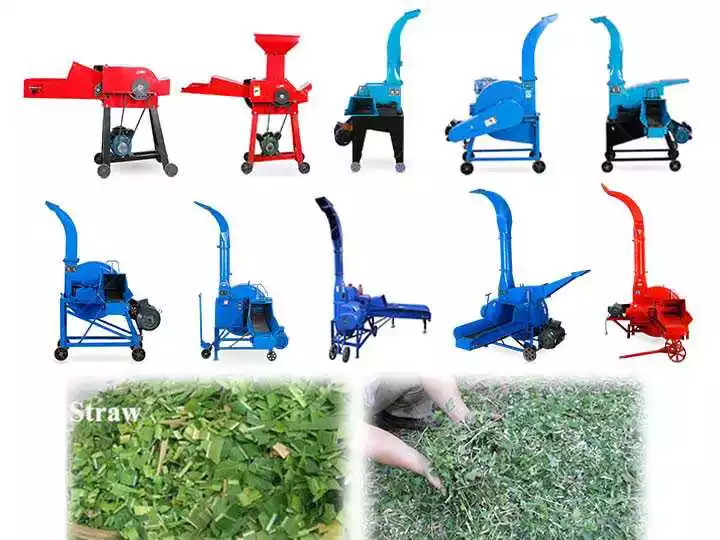
Forage harvesters are primarily divided into three types: wheeled self-propelled, tracked, and backpack-mounted silage harvesters. Among these, self-propelled models can achieve an operational efficiency of 0.3–1.0 ha/h, with chop length adjustable from 5 to 20 mm to meet the feeding needs of various livestock. Uniformly and finely chopped silage material is easier to compact, seal, and ferment, which helps improve feed utilization.
Crops and applications for silage green harvesters
Types of forage that can be harvested
- Grain-based silage: whole-plant corn silage, sweet sorghum, sugarcane tops.
- Forage crops: alfalfa, ryegrass, sheepgrass, and various types of cultivated forage grasses.
- Miscellaneous grain straws: cereal straw, oat straw, and other crops suitable for silage.
Applicable farming scenarios
- Large-scale cattle and sheep farms: own silage planting bases, complete harvesting and storage at one time, and realize self-sufficiency of feed.
- Agricultural planting cooperatives: carry out mechanized harvesting on contiguous plots, undertake harvesting services for surrounding farmers to increase income.
- Small and medium-sized growers and livestock raisers: suitable for scattered small plots, choose tractor-mounted models with low cost and less labor.
- Paddy planting bases: adapt to rainy and wet plots; crawler models prevent trapping, ensuring timely harvesting during the optimal silage period.
Machine core advantages and structural features
- Integrated operation: integrates cutting, chopping, conveying, and loading; single-person operation; 60%+ cost reduction; high continuous operation efficiency.
- Precise chopping: wear-resistant alloy blades, 5- 20 mm adjustable length, uniform forage, easy to ferment, improved feed quality.
- Full terrain adaptation: wheeled (flat fields), tracked (muddy/hilly), and mounted (small/medium farmers/scattered plots) models available.
- Durable & easy maintenance: thickened reinforced core parts, wear-resistant, simple daily lubrication, low maintenance cost.
- Flexible control: full hydraulic adjustment, adapts to different crops, high-power wind throwing, direct loading without manual assistance.

Introduction to 3 types of silage green harvesters
Wheeled self-propelled forage harvester
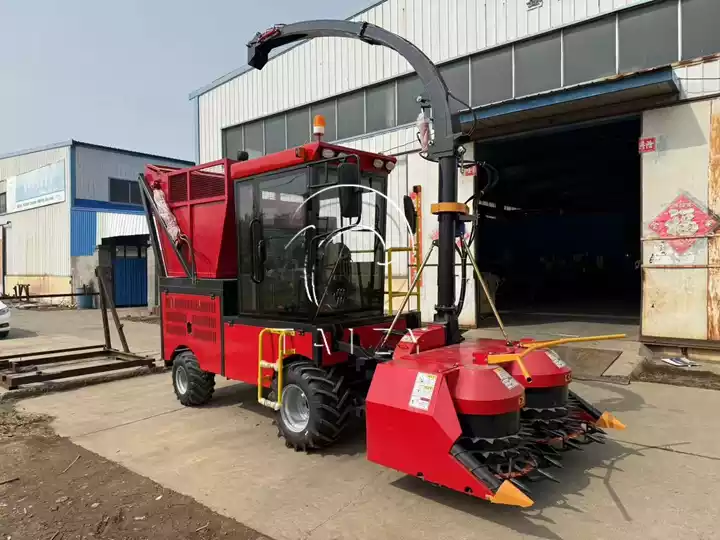
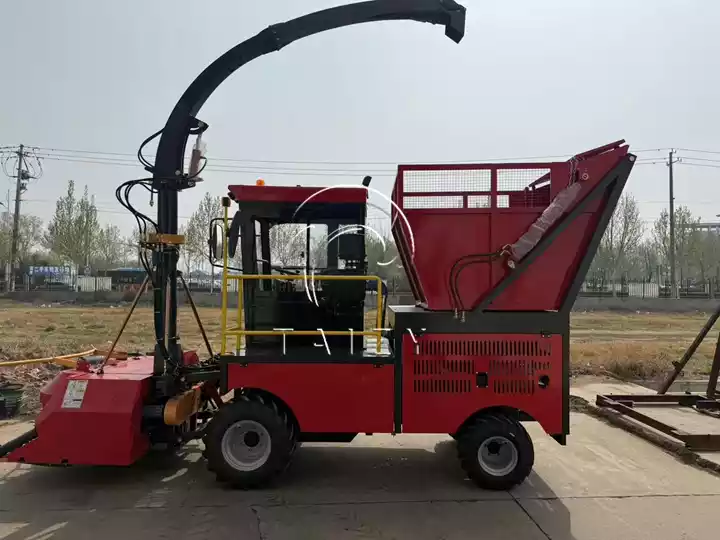
- Equipped with 50-100 HP self-propelled power, it features a fast running speed and no need for a trailer for transfer.
- Suitable for large breeding groups, agricultural cooperatives, and large-scale plain planting households.
- High working efficiency (0.5-1.0 hectares per hour) and convenient long-distance transfer, ideal for centralized silage planting of more than 1,000 mu.
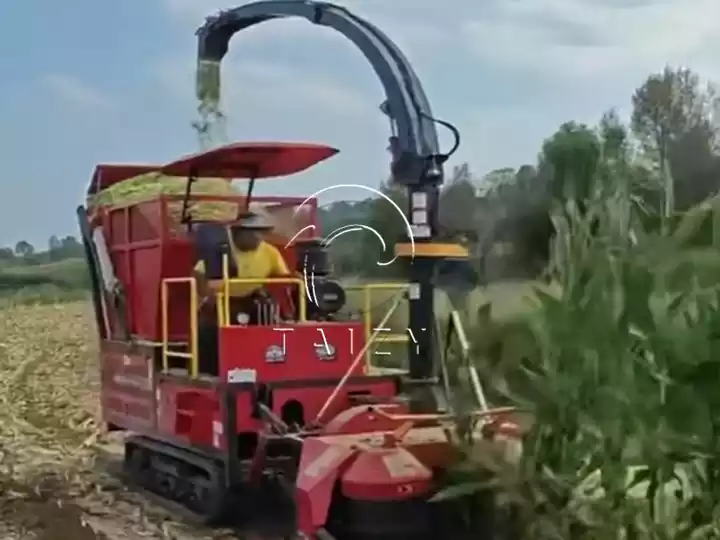
Crawler self-propelled silage green harvester
- Equipped with a 60-120 HP crawler chassis, the widened crawler increases the ground contact area.
- Suitable for southern paddy field growers, low-lying land breeders, and planting bases in rainy areas.
- Strong grip, no slipping or trapping, normal harvesting in rainy seasons, with a working efficiency of 0.3-0.8 hectares per hour.
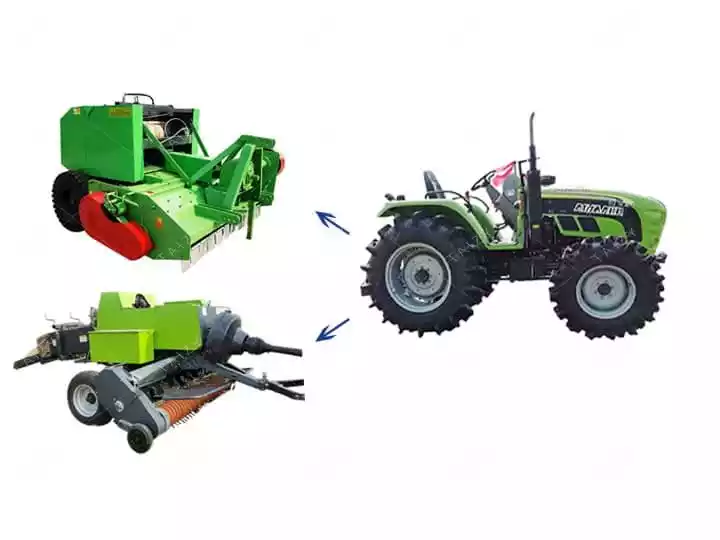
Tractor-mounted silage cutter
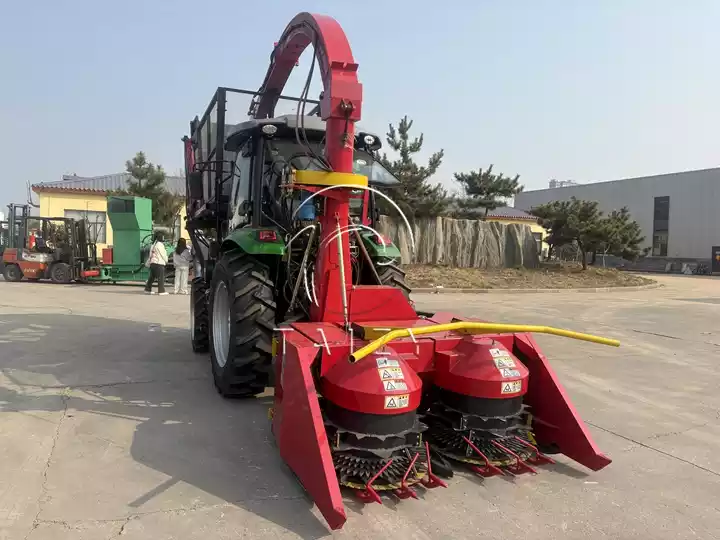
- No built-in power, needs to be matched with a tractor of ≥50 HP (relying on tractor PTO power output).
- Suitable for small and medium-sized family farms, individual breeders and growers with scattered plots.
- Low purchase cost and multi-purpose use with one tractor, with a working efficiency of 0.3-0.6 hectares per hour.
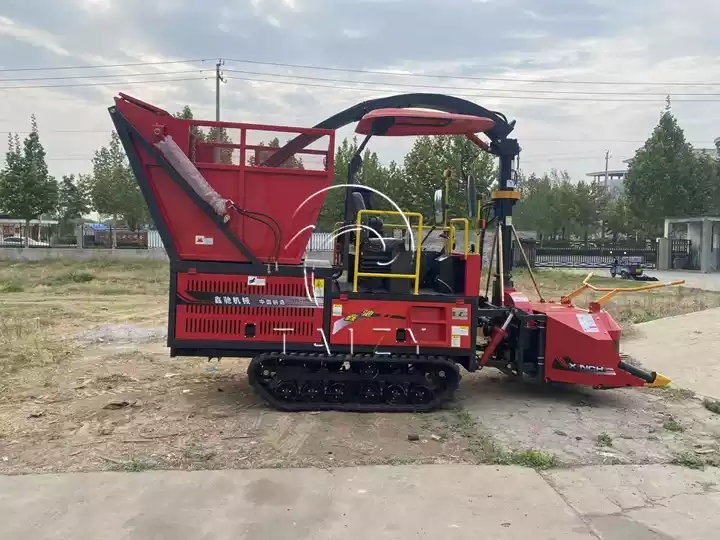
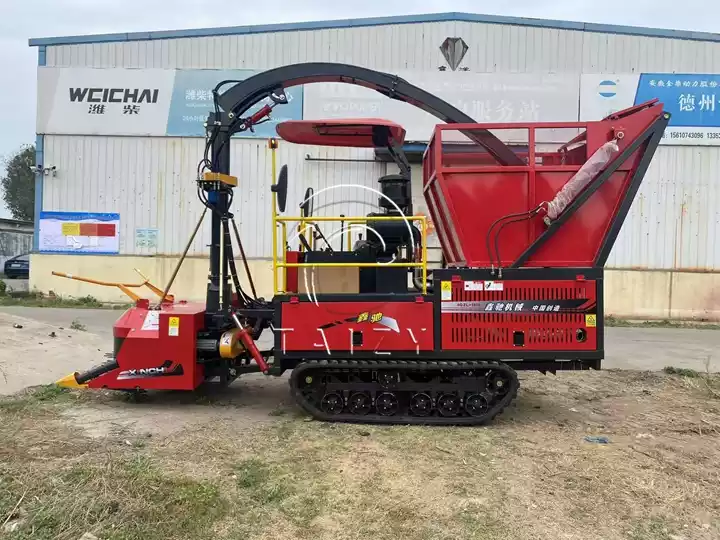
How does a silage green harvester work?
- The silage green harvester uses its power system to drive the front cutting head, which cuts crops such as corn stalks and forage grass and feeds them into the intake chute.
- Once inside the machine, a high-speed rotating cutting disc shreds and chops the crops, with the output length adjustable according to requirements.
- Next, a blower generates a high-speed airflow that conveys the chopped silage to the discharge chute, where it is directly blown into the transport vehicle.
The entire process includes:
Crop harvesting → Automatic feeding → High-speed chopping → Air conveyance → Discharge and loading
This achieves full mechanization of the silage production process, improving both harvesting speed and feed quality.
Technical parameters of forage harvester machine
| Öğe | Wheeled Self-propelled Type | Crawler Type | Mounted Type |
| Güç | 50–100 HP | 60–120 HP | ≥50 HP Tractor |
| Working Capacity | 0.5–1.0 ha/h | 0.3–0.8 ha/h | 0.3–0.6 ha/h |
| Cutting Length | 5–20 mm Adjustable | 5–20 mm Adjustable | 5–20 mm Adjustable |
| Working Width | 1.3–2.2 m | 1.3–2.0 m | 1.0–1.8 m |
| Boşaltma Yöntemi | Hydraulic Blower Throwing | Hydraulic Blower Throwing | PTO Tahrikli |
| Suitable Terrain | Flat Farmland | Wet & Rough Terrain | Small Farms |
| Main Feature | High Efficiency & Fast Moving | Strong Traction & Stability | Low Investment Cost |
Factors affecting the price of silage harvesters
The price of a silage green harvester is affected by factors such as equipment type, power configuration, working efficiency, and automation level. The main influencing factors are as follows:
Equipment type
- Backpack silage cutter: simple structure, low investment cost.
- Wheeled self-propelled machine: high automation level, relatively high price.
- Crawler type: complex chassis structure, usually more expensive than ordinary wheeled equipment.
Power configuration
The higher the engine power and working efficiency, the higher the equipment cost.
Configuration requirements
Header width, chopping system, hydraulic configuration, conveying method and other configurations will affect the final price.
How to choose the right silage green harvester?
To choose a suitable forage harvester, you need to consider the following four aspects comprehensively to match your needs accurately:
Choose according to terrain
- Flat, large-scale farmland: choose wheeled self-propelled silage harvesters.
- Muddy, paddy or complex terrain: choose crawler-type silage harvesters.
- Small-scale planting, with existing tractors and a limited budget: choose backpack silage cutters.
Choose according to planting scale
- Annual harvesting area within 100 mu: a backpack model is sufficient.
- Annual harvesting area of 100-500 mu: a self-propelled model is recommended to improve harvesting efficiency.
- Contiguous bases over 500 mu: prioritize high-efficiency wheeled or crawler-type models.
Choose according to feed requirements
- Prioritize models with wear-resistant alloy blades and adjustable chopping lengths.
- Avoid models with insufficient blade hardness to prevent uneven chopping (which affects silage fermentation).
- Wear-resistant blades can reduce replacement frequency and lower long-term use costs.
Match power and supporting equipment
- Tractor-mounted models: ensure your tractor has a power of ≥50 HP to prevent jamming caused by insufficient power.
- Self-propelled models: select the corresponding horsepower based on planting density; high-density corn stalks require high-horsepower models.
Comprehensive silage production solutions
As the front-end equipment of the forage processing line, the silage green harvester can be combined with other breeding machinery to improve the overall automation level of pastures. Recommended supporting equipment:
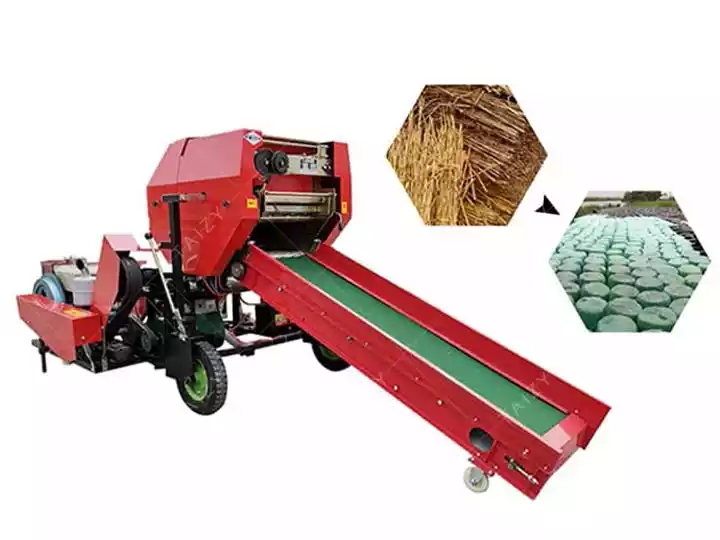
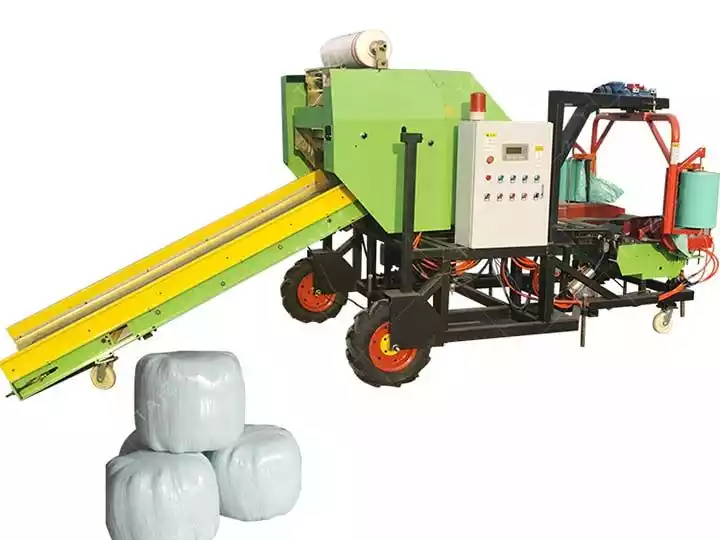
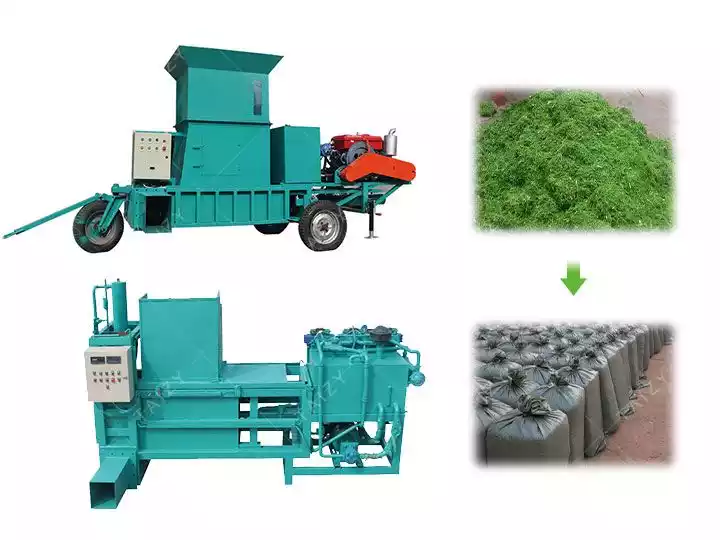
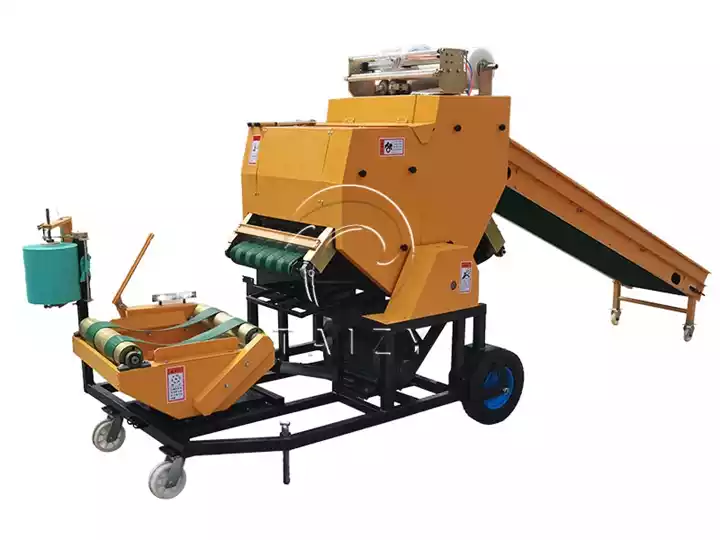
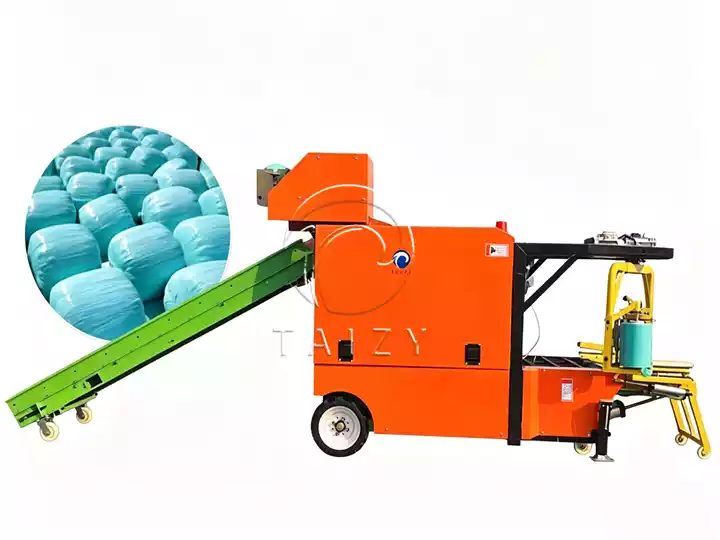
- Silage baler and wrappers: automatically compress, bale, and film the crushed silage for long-term storage, effectively preventing spoilage and extending the storage period.
- TMR silage feed mixer: uniformly mixes silage with concentrated feed, ensuring balanced nutrition for livestock.
- Forage feed spreader: it can evenly spread the mixed feed (including silage) in the feeding area, realize automatic feeding, save labor, and ensure that livestock can eat feed evenly.
We can provide tailored equipment solutions and quotes based on your farm size, crop type, and budget. Please feel free to contact us at any time.