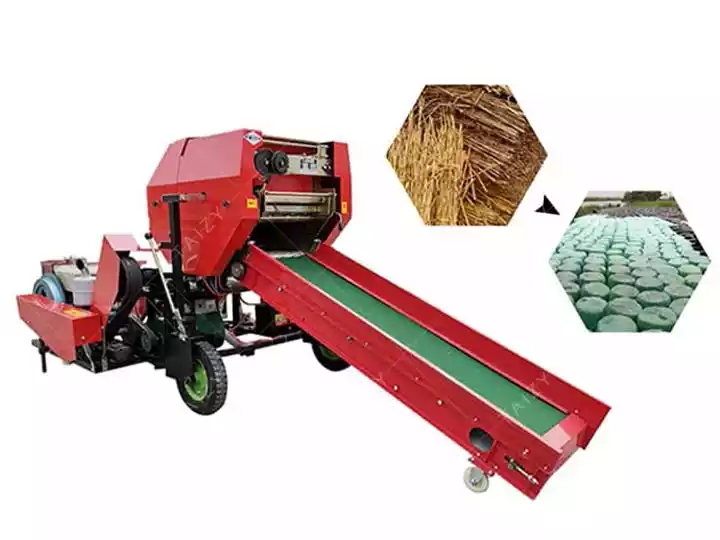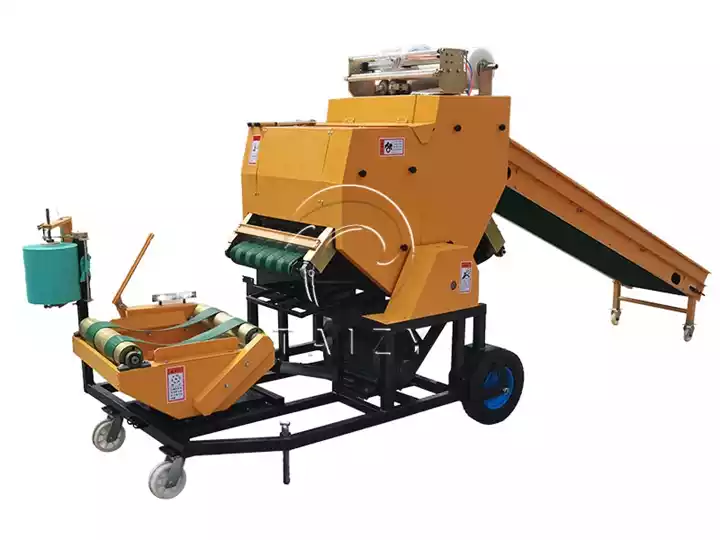
¿Cómo puedo mejorar la calidad del ensilado con una máquina cosechadora?
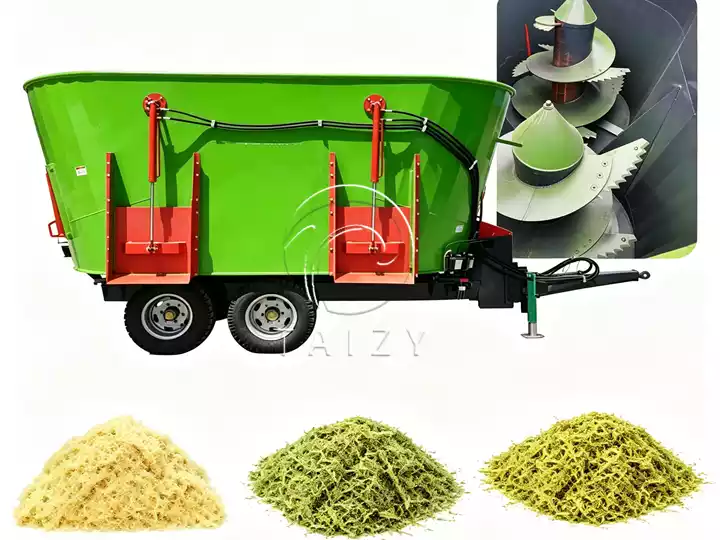
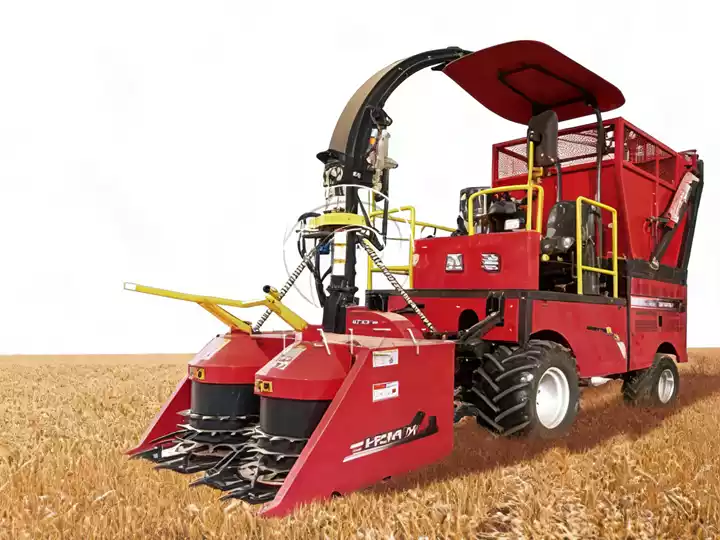
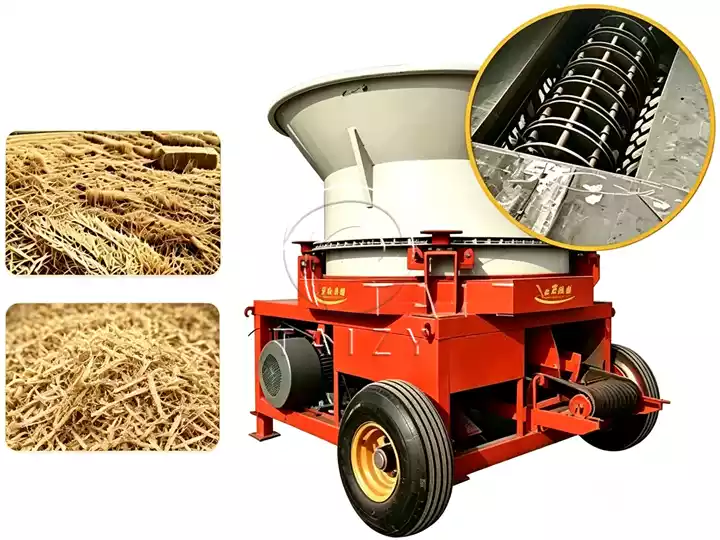
La máquina cosechadora de paja para ensilaje tritura uniformemente la paja de cultivo en trozos de 1 a 5 cm, un tamaño más favorable para la compactación del ensilaje y la fermentación láctica. La paja triturada se vuelve más suave y fácil de comprimir, reduciendo efectivamente el oxígeno residual para una fermentación más completa. Esto reduce la incidencia de moho en más del 30% y maximiza la retención de proteínas crudas y nutrientes de fibra.
Recolección y transporte de alta eficiencia
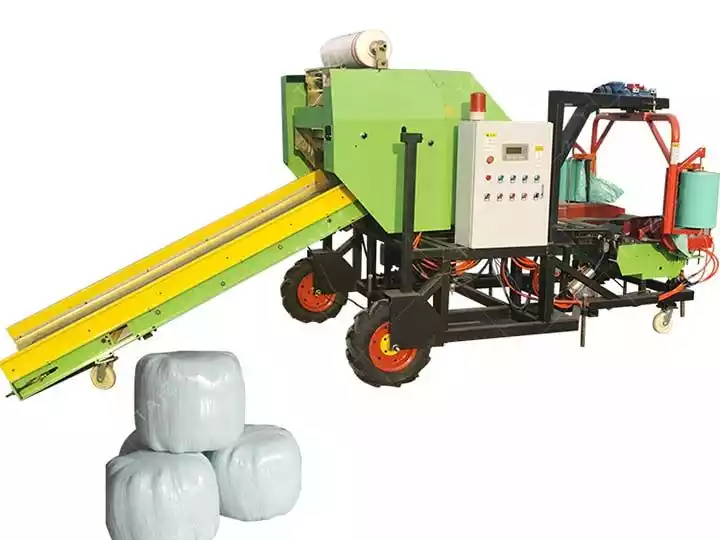
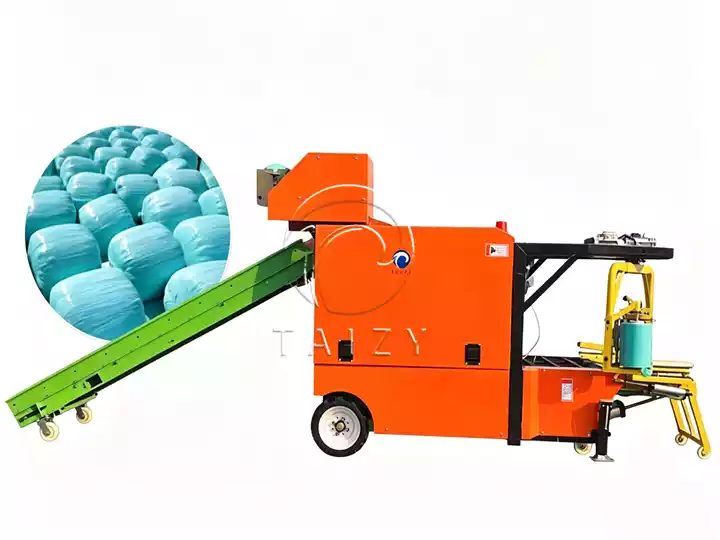
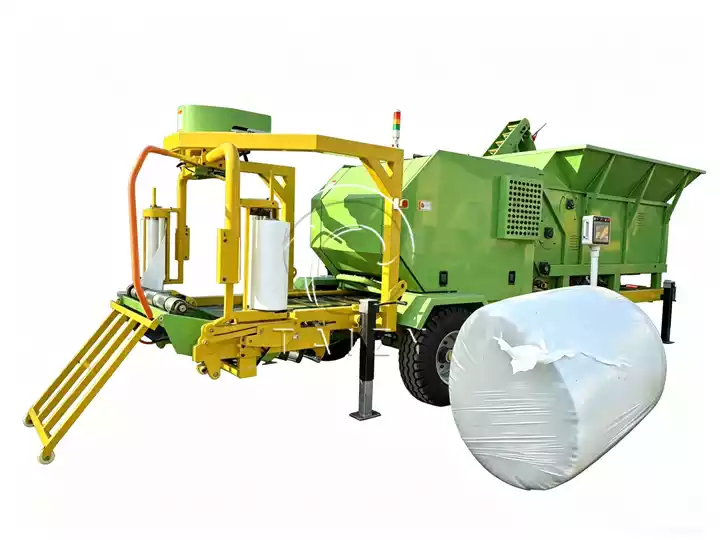
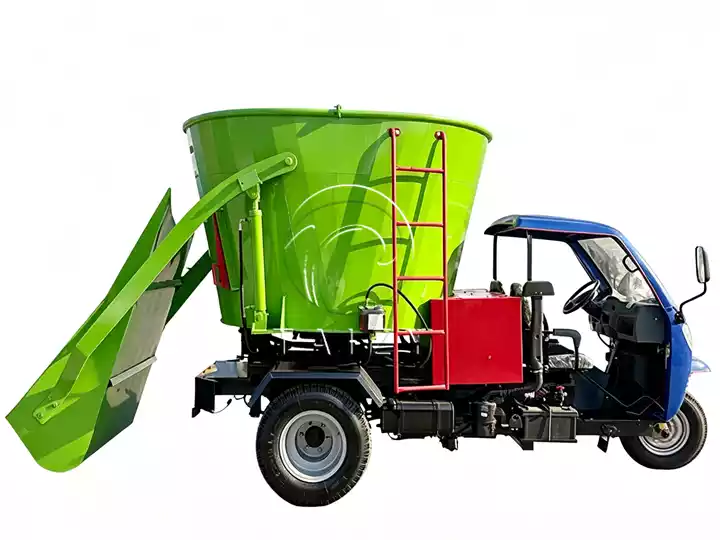
El equipo integra triturado, recolección, transporte y carga en una sola unidad, logrando una capacidad operativa de 5 a 15 toneladas por hora.
En comparación con la recolección manual tradicional, reduce los requisitos laborales en más del 60%, aumentando significativamente la capacidad de procesamiento de materia prima para grandes granjas o plantas de ensilaje. Esto asegura el almacenamiento oportuno de los materiales dentro del rango de humedad óptimo para la fermentación.
Mejor aprovechamiento de la materia prima
Este modelo logra una recuperación de paja del 90% al 95%, evitando eficazmente el desperdicio de recursos por quema o abandono de residuos de cultivos.

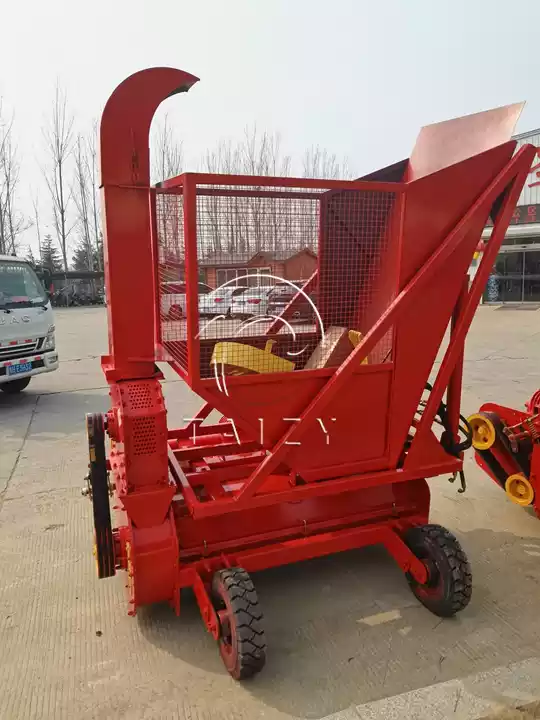
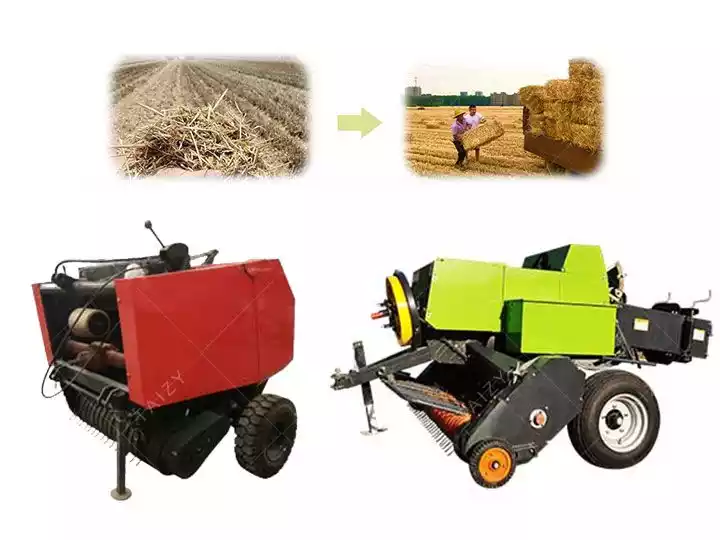
El material recolectado puede usarse directamente para ensilaje, pacas o procesamiento de alimento, aumentando el valor global de los subproductos agrícolas y generando ingresos adicionales para las granjas.
Adaptabilidad a múltiples cultivos
El máquina cosechadora de paja para ensilaje processes diverse materials, including corn stalks, rice straw, wheat straw, and forage grass. It supports adjustable shredding length and feed rate, allowing flexible adaptation to crop moisture and fiber hardness. It operates stably even under high-moisture or high-fiber conditions, ensuring consistent silage quality.
Al utilizar la trituradora y recicladora de paja, las granjas pueden aumentar significativamente la eficiencia de producción y el aprovechamiento de recursos, manteniendo la calidad del alimento en ensilaje, logrando reducción de costos y mejoras en la eficiencia.