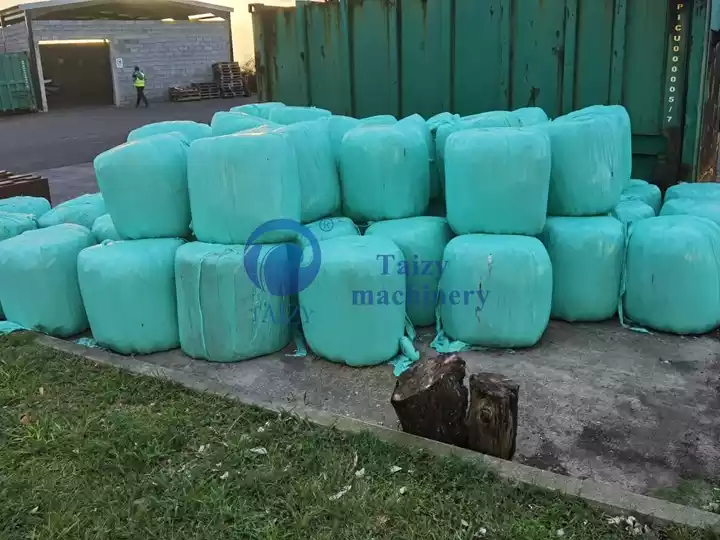
Mısır Silaj Rulosu Yapmanın Maliyeti Nedir?
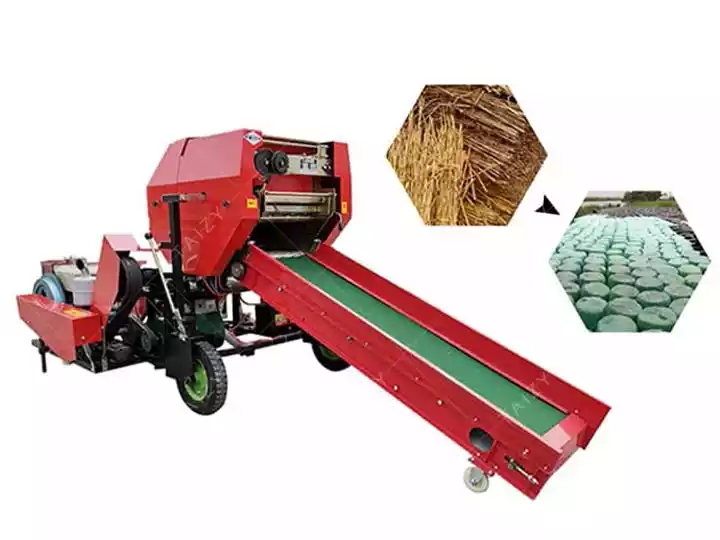
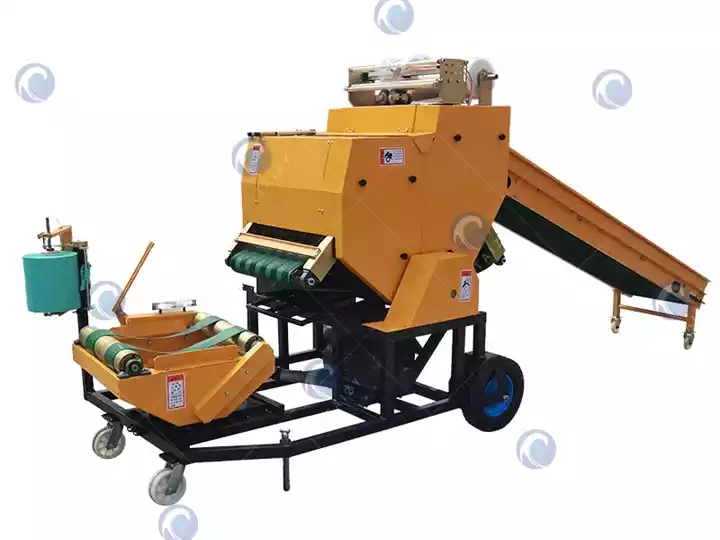
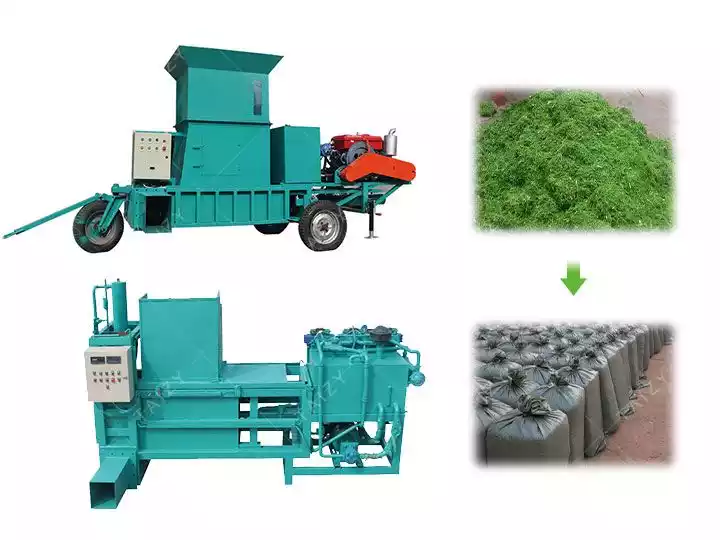
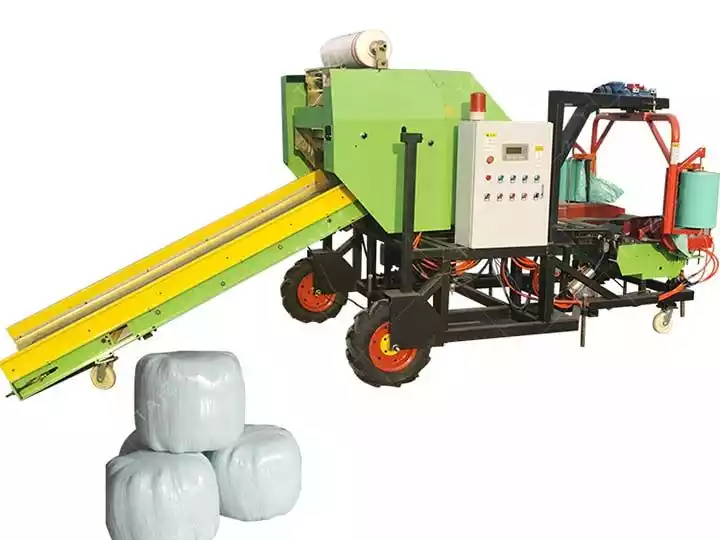
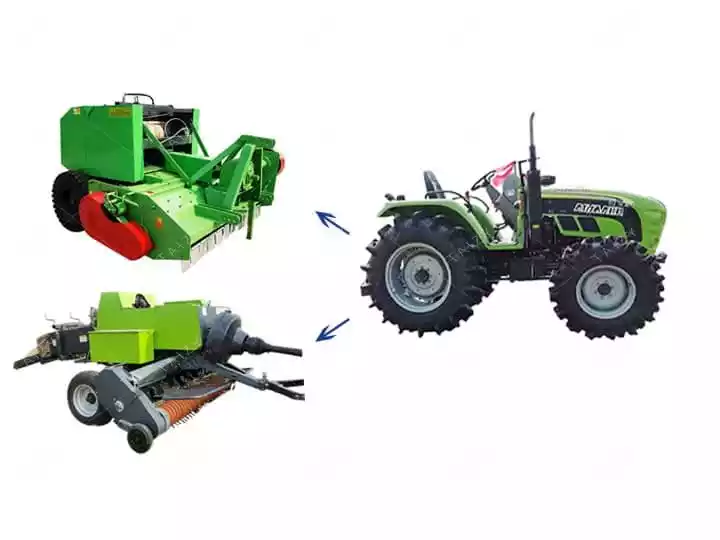
Silaj, çiftliklerde ve çiftliklerde vazgeçilmez bir yem kaynağıdır ve her bir mısır silajı balyasının üretim maliyeti, çiftçilik giderleri ve karları üzerinde doğrudan etkilidir. Modern silaj balyası sarıcıları, sadece yem kalitesini sağlamakla kalmaz, aynı zamanda balya başına üretim maliyetlerini önemli ölçüde azaltır.
Mısır silajı balyası başına maliyet dökümü.
Bir balya silajı üretiminde temel maliyetler şunlardır:
- Ham madde maliyetleri: mısır sapları, yonca ve pirinç samanı gibi ürünler, toplam maliyetin yaklaşık `-p'ini oluşturur.
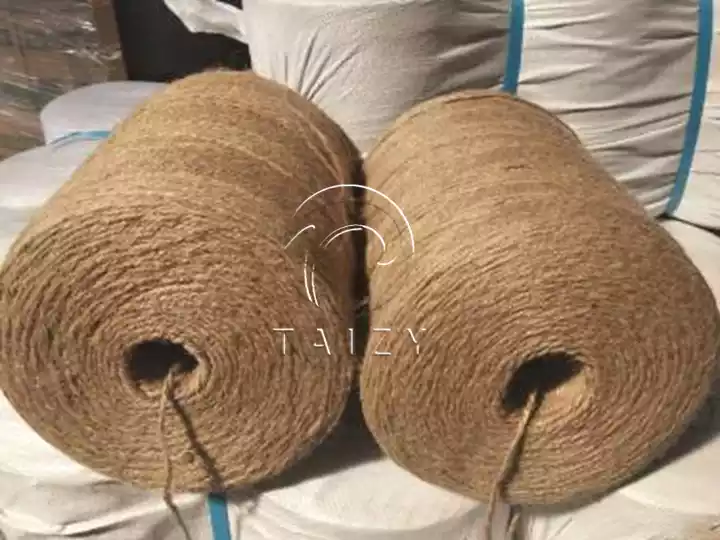
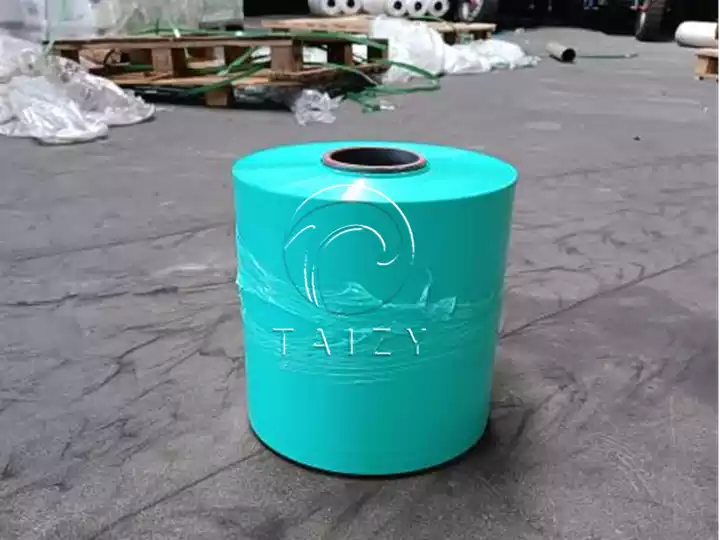
- Sarma malzemesi maliyetleri: balya ipi veya plastik film, birkaç yuan'dan onlara kadar veya daha fazla maliyetle.
- İşçilik maliyetleri: geleneksel manuel balyalama zaman alıcı ve verimsizdir; mekanizasyon önemli ölçüde işçilik giderlerini azaltır.
- Ekipman amortismanı ve bakım maliyetleri: yüksek verimli balyalama ve sarma makineleri, uzun vadeli kullanım için tek seferlik yatırım gerektirir.
Mekanik balyalama, manuel yöntemlere kıyasla balya başına toplam maliyeti -@ oranında azaltır ve özellikle büyük ölçekli çiftlikler veya yem fabrikaları için uygundur.
Silaj balyası sarıcılarının maliyetleri nasıl düşürülür?.
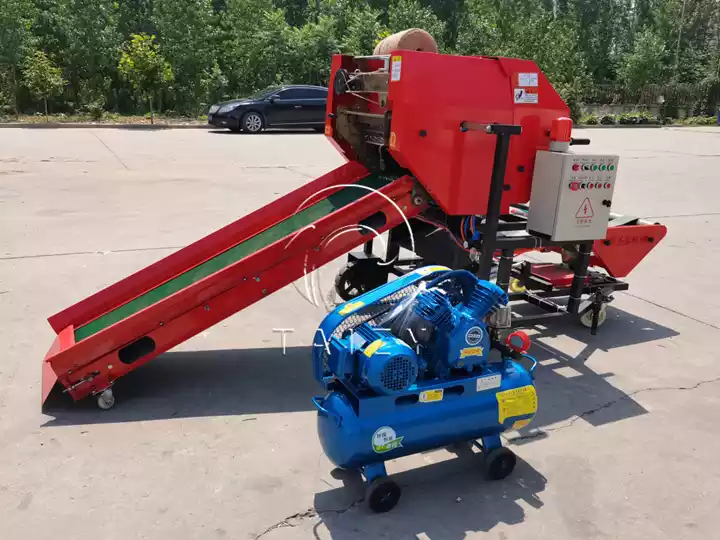
Modern balyalama ve sarma makineleri, konveyör zinciri sistemleri ve otomatik kontrollerle uzun süreli sürekli çalışma sağlar:
- Sürekli, uniform besleme: malzeme birikmesini veya yoğunluk tutarsızlıklarını önler, tutarlı balya yoğunluğu sağlar.
- Balyalama hızı ve sarma geriliminin otomatik ayarı: manuel müdahale en aza indirilir ve operasyonel verimlilik artırılır.
- Bitki çeşitliliği ile uyumlu: mısır sapları, pirinç samanı, yonca ve daha fazlasını işlerken, istikrarlı çıktı sağlar.
- İşçilik azaltma: tek bir makine, birden fazla işçiyi yerine geçirerek sürekli yüksek verimli üretim sağlar.
Bu özellikler, işletmelerin birim yem maliyetlerini düşürürken, silaj balyası kalitesini tutarlı tutmaya yardımcı olur.
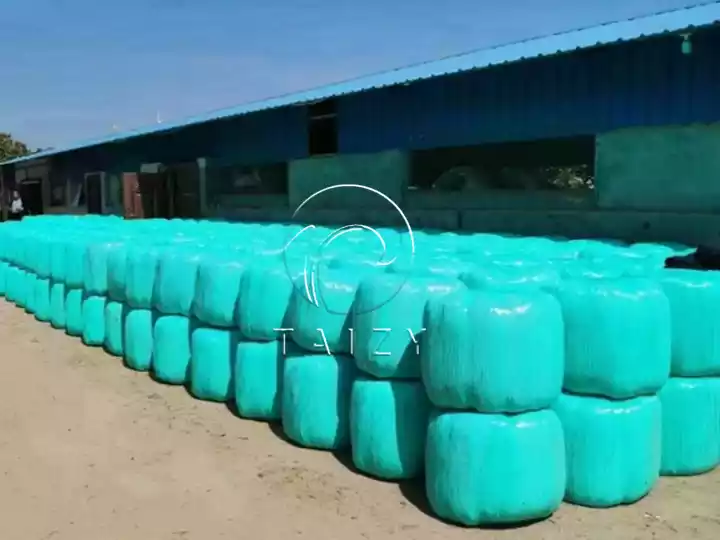
Ekonomik faydalar ve yatırım getirisi.
Mısır silajı balyası sarıcı makineleri kullanmanın ekonomik değeri şurada yatar:
- Gelişmiş yem kullanımı: sıkı sarma, nem ve küf oluşumunu önler, israfı azaltır.
- Gelişmiş üretim verimliliği: sürekli çalışma, üretim süresini önemli ölçüde kısaltır ve toplam çıkışı artırır.
- Hızlı uzun vadeli yatırım getirisi: tek seferlik ekipman yatırımı, yıllarca hizmet sağlar ve birim üretim maliyetlerini kademeli olarak düşürür.
- Büyük ölçekli üretim için uygundur: özellikle çiftlikler, çiftlikler ve yem işleme tesisleri için idealdir.
Verimli mekanize operasyonlar sayesinde işletmeler işçilik maliyetlerini azaltabilir, üretim kapasitesini artırabilir ve yem kalitesini iyileştirebilir, yatırımlarını kısa sürede geri kazanabilirler.