Does Kneading Function Really Improve Silage Fermentation Quality?
If you are running a cattle or sheep farm, silage quality directly decides livestock feed intake and breeding profit. Many farmers wonder whether the kneading function on a forage kneader is just a marketing gimmick or a practical upgrade for silage making.
The short answer is yes — a qualified forage cutter crusher machine can create better conditions for silage fermentation, but the effect depends on raw materials, operation settings and machine performance.
What does the kneading part of a forage kneader do?
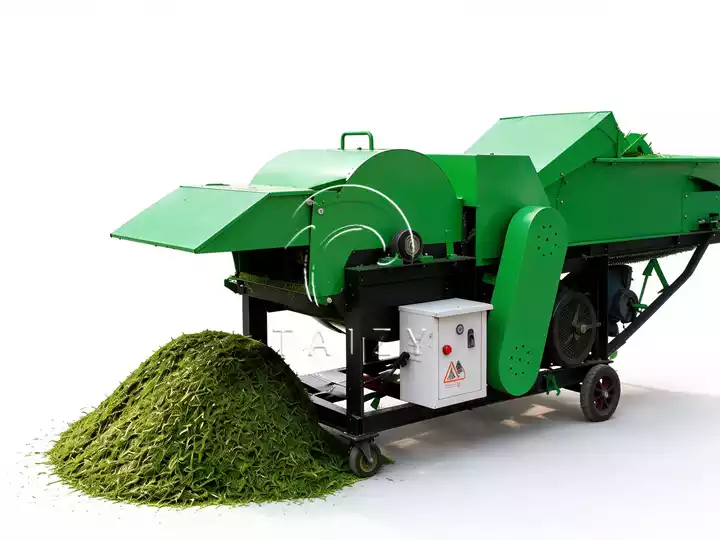
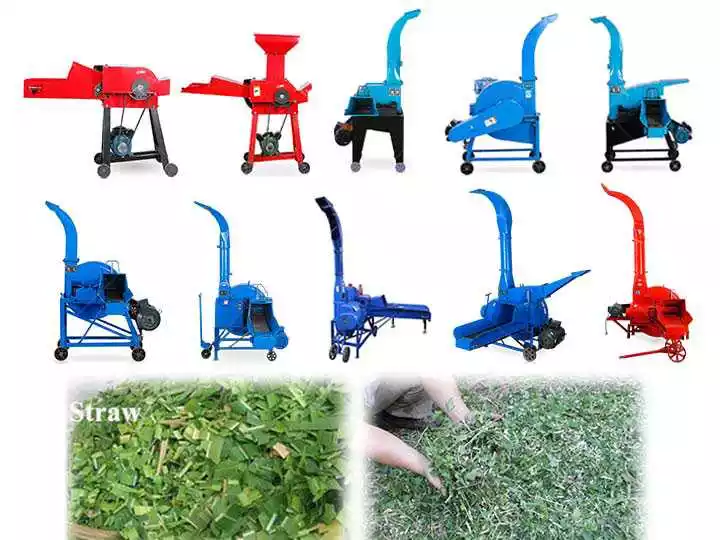
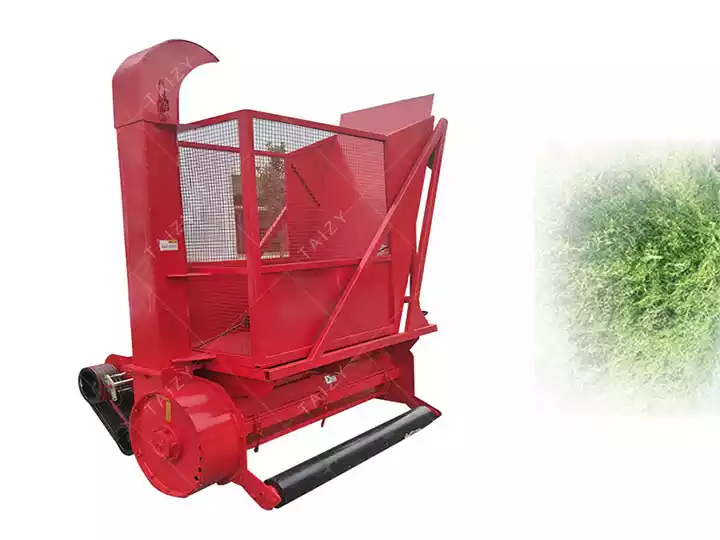
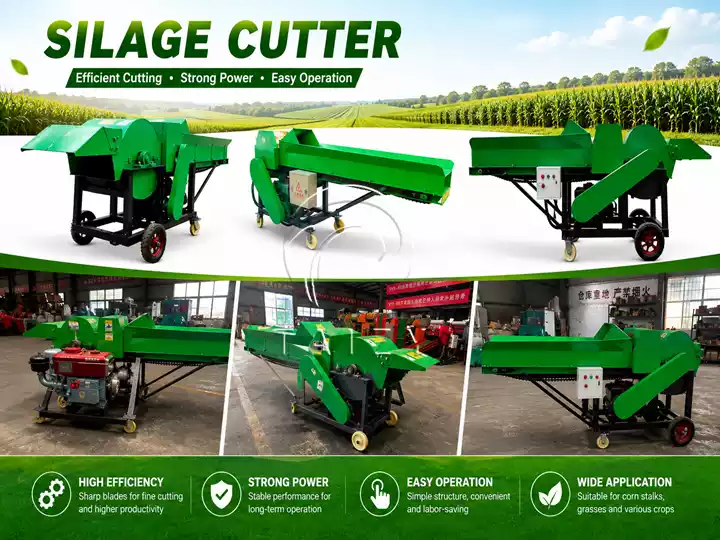
Different from ordinary chaff cutters that only chop straw into short segments, a forage cutter kneader machine combines cutting and kneading in one process.
- It tears and softens the rigid fiber structure of corn stalks, alfalfa and other forage
- Breaks the waxy outer layer on the surface of green stalks
- Produces uniform, fluffy forage instead of hard, intact straw sections
- Helps squeeze out plant cell juice containing natural sugar for lactic acid bacteria
How kneading boosts silage fermentation?
Good silage fermentation relies on fast lactic acid accumulation and rapid pH drop under anaerobic conditions. The kneading process helps in these key ways:
- Better compaction inside silo or silage bag: Fluffy kneaded forage packs much tighter. Less air remains inside the stack, which inhibits harmful aerobic bacteria and avoids spoilage.
- More sugar released for beneficial bacteria: Breaking the stalk skin exposes soluble carbohydrates. Lactic acid bacteria get enough nutrients to multiply quickly.
- More even fermentation result: Ordinary chopped straw has hard pieces that are hard to ferment fully. Kneaded material ferments consistently across the whole pile.
- Higher palatability after fermentation: Kneaded silage is softer. Cattle and sheep eat more and leave less leftover waste.
When the kneading function cannot work well?
A forage kneader will not guarantee perfect silage if you ignore these factors:
- Raw forage moisture is too high or too low (ideal range around 60%–65%)
- The forage is contaminated with mud or rotten plant parts
- You do not compact and seal the silage immediately after processing
- Blade and kneading rollers are worn out, leading to incomplete kneading
Should you choose a forage kneader for your farm?
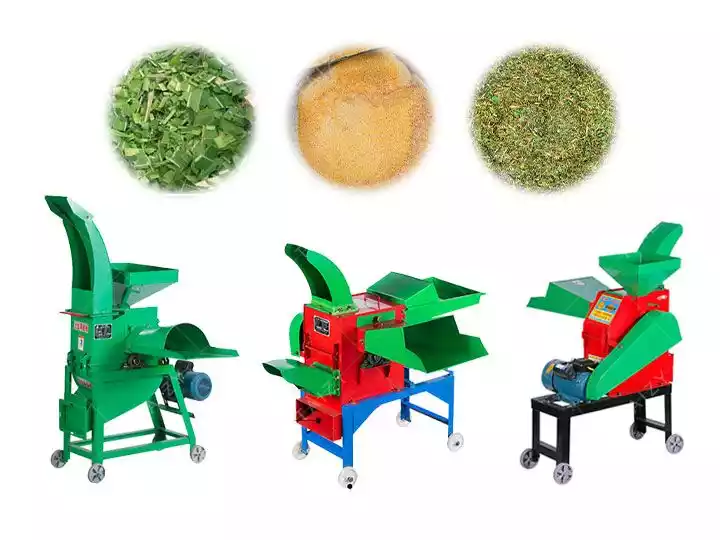
If you mainly process corn stalk silage and pursue stable feed quality, the kneading function is well worth it. For small farms that only make a small amount of roughage, a simple chaff cutter may meet basic needs.
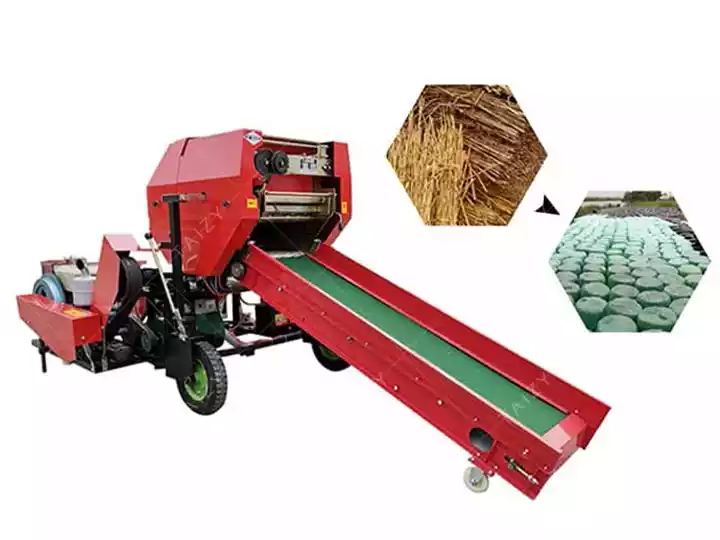
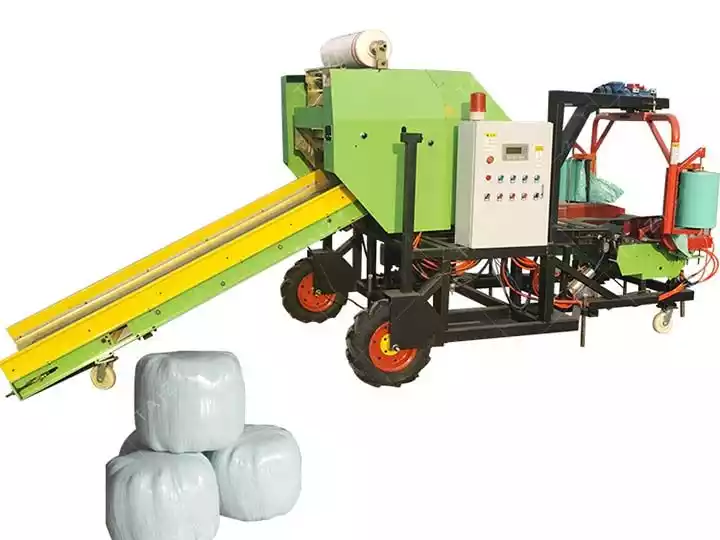
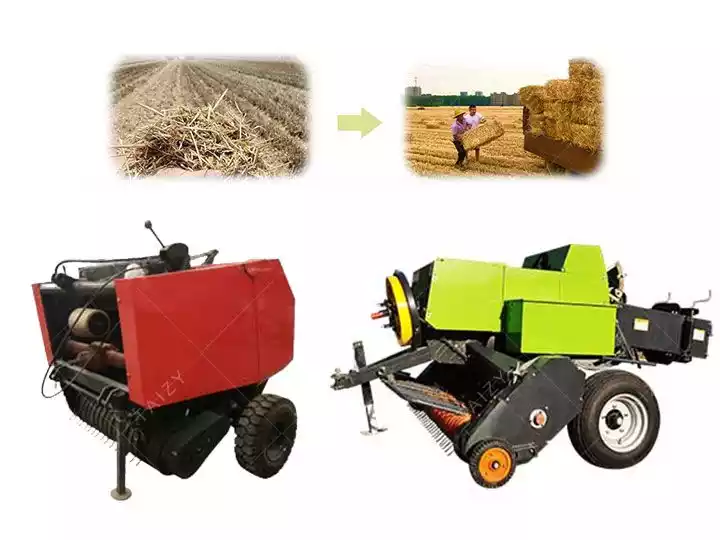
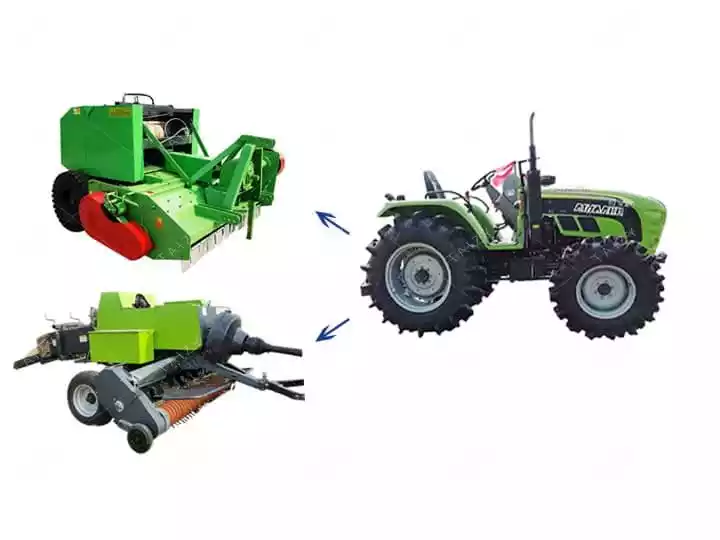
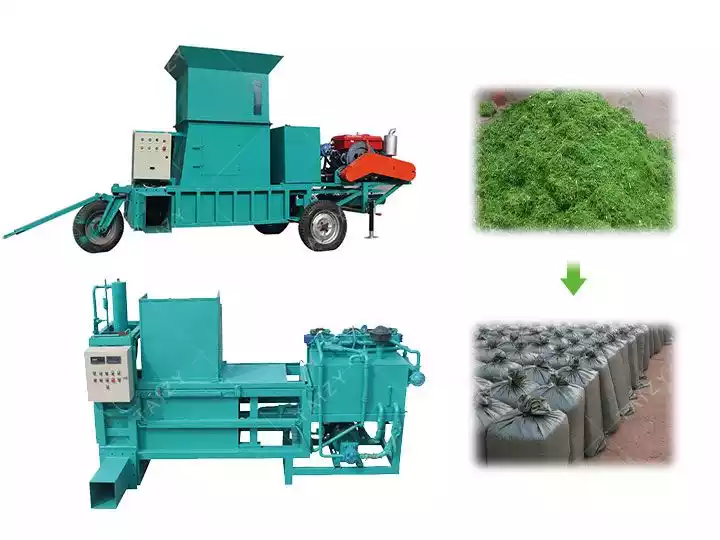
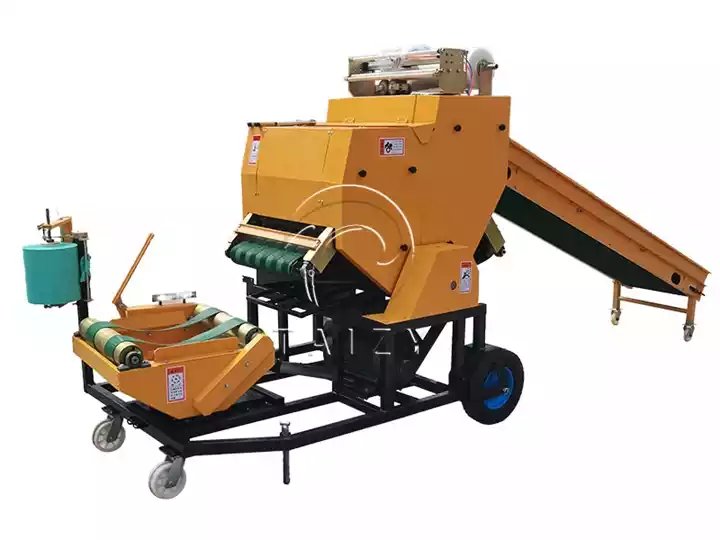
If you plan to build a full silage production workflow, match your forage kneader with silage baler and wrapper equipment to lock in fermentation quality.
Conclusión
The kneading function of a forage kneader is not hype. It optimizes the physical state of forage and lays a solid foundation for high-quality silage fermentation. Still, the machine is only one part. Proper moisture control, fast sealing and airtight storage are equally important to avoid silage loss.